Comparing Traditional and Laser Gum Disease Treatment
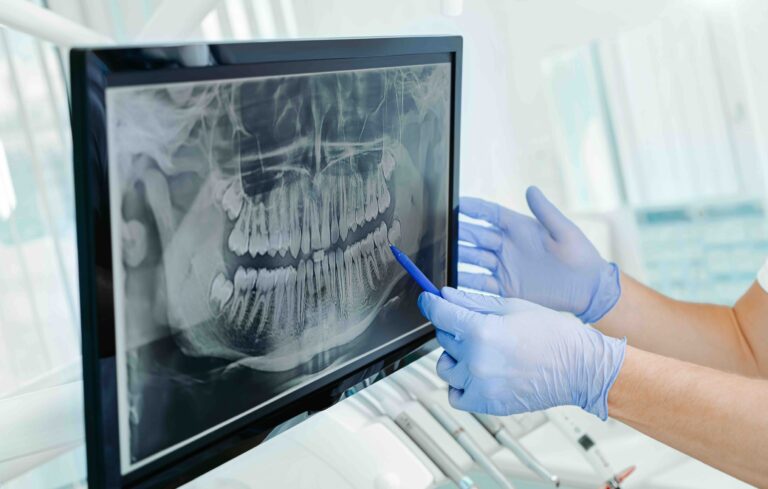

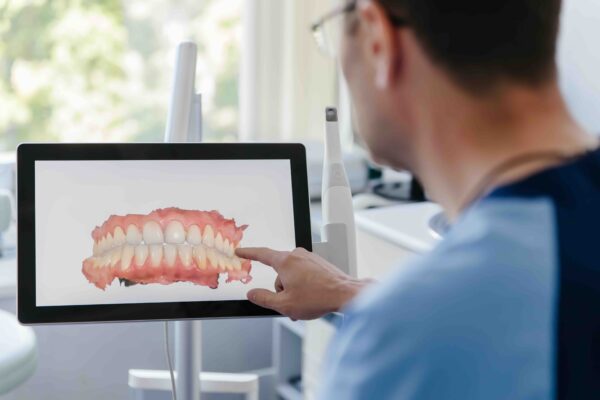
Gum disease rarely announces itself with drama. More often, it starts quietly, a little bleeding when brushing, a faint metallic taste, gums that look puffier than usual. Many people ignore those early signs because there is no sharp pain, no obvious emergency. By the time they seek care, gingivitis has often progressed into periodontitis, where the supporting bone and connective tissues around the teeth are already under attack.
That is where the conversation around Gum Disease Treatment becomes more serious. Patients usually want a simple answer: which option is better, traditional treatment or laser treatment? The honest answer is that each has a place, and the right choice depends on the severity of disease, the anatomy involved, the patient’s tolerance for treatment, and the clinician’s judgment and skill. There is no universal winner. There are, however, meaningful differences in how each approach works, what recovery feels like, and where one method may offer a practical advantage over the other.
What gum disease treatment is actually trying to accomplish
Before comparing techniques, it helps to be clear about the goal. Gum disease treatment is not cosmetic polishing. It is the management of a chronic infection and inflammatory process that damages the tissues holding teeth in place.
In early disease, the target is plaque and calculus sitting around the gumline, where bacteria trigger inflammation. In more advanced disease, bacteria extend deeper into periodontal pockets, where the gum has pulled away from the tooth. At that stage, the challenge is not just cleaning visible surfaces. It is disrupting the bacterial biofilm under the gums, removing hardened deposits from root surfaces, reducing inflamed tissue, and creating conditions the patient can maintain at home.
That sounds straightforward on paper. In practice, gum disease can be stubborn. Roots are not smooth cylinders. They have grooves, furcations between roots of molars, and irregular surfaces where calculus clings tenaciously. Some patients heal beautifully after conservative therapy. Others have aggressive inflammation despite decent home care. A treatment plan has to account for https://ameblo.jp/alexisuoqr968/entry-12977464147.html all of that.
The traditional approach, still the foundation of periodontal care
When most dentists and periodontists talk about traditional gum disease treatment, they are usually referring to scaling and root planing, and in more advanced cases, periodontal flap surgery or other surgical procedures. These methods have been used for decades because they are reliable, measurable, and well understood.
Scaling and root planing is often described to patients as a deep cleaning, although that phrase can understate what is really happening. The clinician uses hand instruments, ultrasonic scalers, or both to remove plaque, tartar, and bacterial toxins from below the gumline. Root surfaces are cleaned carefully so that inflamed gum tissue has a better chance of reattaching or at least tightening around the tooth.
When pockets are very deep, bone loss is significant, or access is poor, surgery may be recommended. In flap surgery, the gum tissue is gently reflected back so the provider can see and clean root surfaces more thoroughly and reshape or treat underlying bone as needed. This can sound intimidating, but in experienced hands it is a precise procedure designed to reduce pocket depth and improve long-term maintainability.
Traditional treatment remains the benchmark for a reason. It gives direct mechanical access to the disease. It allows the clinician to feel deposits with instruments, verify removal, and physically alter pocket architecture when necessary. It is not glamorous, but it is effective.
Where laser treatment entered the picture
Laser gum treatment was developed to address some of the limitations and discomfort associated with conventional periodontal therapy. Different dental lasers exist, and they are not interchangeable. Some are designed for soft tissue only, while others interact with both soft tissue and hard tissue. That distinction matters because the claims surrounding laser dentistry can become vague very quickly.
In the periodontal setting, lasers are used to target inflamed pocket lining, reduce bacterial load, remove diseased tissue, and sometimes assist in decontaminating root surfaces. Depending on the system and protocol, a laser may be used alongside scaling and root planing, or as part of a more comprehensive surgical alternative. Patients are often drawn to lasers because they associate them with less cutting, less bleeding, and quicker recovery.
Those expectations are not unreasonable, but they need context. A laser is a tool, not a diagnosis and not a guarantee. The quality of the result depends on proper case selection and on whether the underlying root surfaces are actually cleaned. A laser cannot replace meticulous periodontal debridement when debridement is required.
The appeal of laser treatment, and where it genuinely helps
There are situations where laser-assisted therapy offers real advantages. Inflamed gum tissue tends to bleed easily, and certain lasers can help coagulate as they work. That can improve visibility and reduce some of the mess patients associate with surgery. Many people also report less postoperative soreness and swelling, especially compared with more invasive open-flap procedures.
Another practical advantage is patient acceptance. Some individuals delay care because they are frightened by the idea of scalpels and sutures. For a patient with moderate disease and significant dental anxiety, the word “laser” may be the difference between receiving treatment and continuing to avoid it. That matters. Untreated periodontitis does not pause while someone works up their courage.
Laser therapy can also be useful in areas where managing infected soft tissue is part of the problem. If a pocket has a chronically inflamed inner lining, carefully removing diseased tissue may support healing. In selected cases, the laser becomes one part of a broader biologic strategy: reduce the bacterial burden, preserve healthy tissue where possible, and encourage a more favorable healing response.
Still, the word “selected” deserves emphasis. The best laser outcomes tend to come from patients whose disease pattern matches what the technology can realistically address.
What traditional treatment still does better
There is a reason experienced clinicians do not simply replace all conventional periodontal therapy with laser treatment. Mechanical removal of calculus remains essential. Hard tartar attached to roots does not disappear because light energy is pointed into a pocket. A provider still needs tactile control and physical instrumentation.
Traditional surgery also offers unmatched access in certain advanced cases. If a molar has deep defects between its roots, or if there is extensive bony architecture that must be reshaped or grafted, direct visualization often produces the most predictable result. This is especially true when pocket depths are severe, anatomy is complex, or previous non-surgical treatment has failed.
Patients sometimes assume “less invasive” automatically means “more effective.” In periodontal therapy, that is not always true. Sometimes the least invasive approach is best. Sometimes a more open, conventional procedure is what gives the tooth a realistic chance.
Comparing the patient experience
From the patient’s chair-side perspective, the differences can feel more concrete than the technical distinctions. People want to know how long it will take, whether it will hurt, whether they can return to work, and whether the results will last.
Here is where the broad patterns usually fall:
| Factor | Traditional treatment | Laser treatment | |---|---|---| | Typical first step | Scaling and root planing, sometimes surgery later | Often combined with scaling, sometimes part of laser-assisted surgery | | Sensation during treatment | Pressure, vibration, scraping, local anesthetic often used | Local anesthetic often used, less mechanical sensation in some cases | | Bleeding during procedure | Variable, can be moderate with inflamed tissue or surgery | Often reduced with certain lasers | | Recovery | Mild soreness after deep cleaning, more downtime after surgery | Often reported as milder, though not always | | Best-established role | Broad range of disease severity | Adjunctive or selected cases, depending on laser and protocol |
That table gives a fair overview, but clinical reality is never that neat. A straightforward deep cleaning with local anesthetic can be easier for a patient than an overpromised laser procedure that still requires extensive instrumentation. On the other hand, a carefully selected laser-assisted treatment may feel dramatically easier than conventional surgery for the right person.
The evidence question patients should ask, even if they do not phrase it that way
When people ask whether lasers “work,” they are usually asking two different questions. First, do lasers help reduce periodontal disease? Second, do they outperform conventional treatment enough to justify choosing them specifically?
The evidence supports the use of lasers in periodontal care, but not as a blanket replacement for conventional methods. In many studies, laser-assisted treatment can improve certain clinical outcomes, particularly when used as an adjunct to scaling and root planing. At the same time, conventional mechanical treatment remains the core standard because its effectiveness is consistent and well documented.
That distinction is easy to lose in marketing. A website may suggest that laser therapy is inherently superior simply because it is newer. Newer does not always mean better. Sometimes it means more comfortable. Sometimes it means more technique-sensitive. Sometimes it means beneficial in narrow situations. Periodontal treatment decisions should not be made on novelty alone.
A useful practical question for a patient is this: “What exactly will the laser add in my case that standard treatment would not?” A good answer should be specific. Vague promises are a warning sign.
Cost, which matters more than many providers admit
Laser treatment is often more expensive. That reflects equipment costs, training, and in some practices, the premium associated with offering a specialized service. Insurance coverage can be uneven, especially if the coding falls into categories that plans treat differently from standard periodontal therapy.
For some patients, cost is not the deciding factor. For others, it absolutely is. If traditional scaling and root planing can achieve a strong clinical result, it may be hard to justify paying significantly more for a laser add-on that offers marginal benefit in that particular case. On the other hand, if laser therapy improves comfort enough that an anxious patient actually completes care and returns for maintenance, the extra cost may be worth it.
This is one of those areas where dental decisions intersect with real life. Ideal treatment on paper means little if the patient cannot afford it, cannot tolerate it, or will not follow through.
Case selection is everything
A patient with early to moderate periodontitis, moderate pocketing, and inflamed soft tissue but no severe anatomical complications may be a reasonable candidate for laser-assisted therapy. A patient with advanced furcation involvement, mobile teeth, heavy subgingival calculus, or defects that may need regenerative procedures often requires a more traditional periodontal plan.
Smoking, diabetes, dry mouth, immune compromise, and oral hygiene habits also influence the choice. So does the simple question of access. If a person has thick deposits under the gums and highly irregular root surfaces, no technology can substitute for thorough debridement.
In clinical practice, treatment planning is rarely about choosing one camp forever. It is often a blend. A patient may begin with traditional scaling and root planing, then receive localized laser-assisted treatment in persistent areas. Another patient may undergo laser-assisted pocket therapy and still need conventional surgery on one stubborn molar. That kind of mixed strategy is common, sensible, and often more honest than presenting one modality as the answer to everything.
What healing looks like after each approach
Healing after gum disease treatment depends on the depth of infection, the amount of inflammation, and the type of procedure performed. After scaling and root planing, patients often notice tenderness for a few days, sensitivity to cold, and mild gum shrinkage as swollen tissue resolves. That shrinkage can be unsettling if not explained beforehand, but it is usually a sign that inflamed tissue has tightened rather than stayed puffy.
After conventional surgery, recovery may involve more visible swelling, some bleeding, and several days of modified eating and brushing. Sutures can add another layer of inconvenience, though they are typically manageable. The benefit is that the provider had full access to difficult areas.
Laser recovery is often described as gentler. Many patients experience less bleeding and less swelling, and some return to normal routines quickly. That said, “gentler” is not the same as effortless. Inflamed periodontal tissues still need time to heal, and postoperative instructions still matter. If a patient resumes poor brushing or misses maintenance visits, the disease can return regardless of the technology used.
The maintenance phase, where long-term success is really decided
No comparison between treatment types is complete without talking about maintenance. Periodontal disease is usually managed, not magically erased forever. Once someone has had significant gum disease, they remain more vulnerable to recurrence. That is true whether treatment was traditional, laser-assisted, or a combination.
The patients who do best over five or ten years are not necessarily the ones who chose the fanciest procedure. They are the ones who keep periodontal maintenance appointments, use effective home care, and address risk factors such as smoking and uncontrolled diabetes. It is not unusual to see a beautifully treated mouth relapse because the patient vanished for three years. It is also common to see excellent stability in someone who had fairly conventional care but stayed disciplined with follow-up.
A practical maintenance routine usually hinges on a few non-negotiables:
- Regular periodontal maintenance visits, often every three to four months at first.
- Thorough daily plaque control with brushing and interdental cleaning.
- Monitoring of pocket depths, bleeding points, and tooth mobility over time.
- Management of contributing factors such as smoking, grinding, or dry mouth.
- Early retreatment of localized areas before widespread relapse occurs.
This is where periodontal care starts to look less like a one-time procedure and more like chronic disease management. That framing may not sound exciting, but it is clinically accurate.
Questions worth asking before choosing either option
The most productive consultations happen when the discussion moves beyond sales language and into specifics. Patients do not need to become experts in laser physics or periodontal instrumentation, but they should understand why a recommendation is being made.
A short list of smart questions can clarify a lot:
- How severe is my gum disease, and what measurements are you basing that on?
- Will the laser replace deep cleaning, or be used along with it?
- What results do you realistically expect in my case?
- What are the alternatives if this approach does not reduce the pockets enough?
- How will maintenance differ after treatment?
Clear answers to those questions usually reveal whether the recommendation is thoughtful or generic.
So which is better?
If “better” means more established across the widest range of periodontal conditions, traditional treatment still holds that position. Scaling and root planing remain the bedrock of Gum Disease Treatment, and conventional surgery retains a crucial role in advanced disease. These methods are dependable because they directly address the physical realities of tartar, root anatomy, and bone loss.
If “better” means potentially less bleeding, less postoperative discomfort, and a more appealing experience for carefully selected patients, laser treatment can offer meaningful advantages. In some cases it serves as a valuable adjunct. In some hands and for some disease patterns, it can be a strong primary component of therapy. What it should not be sold as is a universal replacement for conventional periodontal care.
The more useful way to think about the choice is not old versus new, but appropriate versus inappropriate. A competent clinician matches the tool to the disease, not the other way around. Sometimes that means recommending a deep cleaning and close monitoring. Sometimes it means flap surgery. Sometimes it means adding laser therapy to improve tissue management and patient comfort. Often it means combining methods.
For patients, the best decision usually comes from three things: an accurate diagnosis, a candid explanation of trade-offs, and a realistic plan for maintenance. That is where long-term tooth retention is won or lost. Not in the buzz around a device, and not in the assumption that the familiar option must be outdated, but in careful treatment followed by consistent care after the procedure is over.
Dental Group Of Beverly Hills
Address: 8641 Wilshire Blvd #125, Beverly Hills, CA 90211
Phone number: +13109296335
FAQ About Gum Disease Treatment
How to improve gum health quickly?
To improve gum health quickly, eliminate plaque buildup by brushing for two full minutes twice a day at a 45-degree angle to the gumline. Floss daily to clean under the gumline, and rinse with an antimicrobial, alcohol-free mouthwash. For immediate relief of soreness, use a warm saltwater rinse.
What is the fastest way to cure gum disease?
To quickly cure early-stage gum disease (gingivitis), eliminate the plaque buildup causing the inflammation. Brush gently but thoroughly for two minutes twice daily, floss daily, and use an antibacterial mouthwash or a warm saltwater rinse. However, if tartar has hardened, professional treatment is necessary.
How do I treat my gum disease at home?
You can treat early gum disease at home by practicing strict daily oral hygiene, rinsing with salt water or antibacterial mouthwash, and quitting smoking. True gum disease (especially advanced forms like periodontitis) cannot be fully cured at home once tartar forms, and you must see a dentist for professional cleanings.