10 Signs You May Need Gum Disease Treatment

Gums rarely get the same attention as teeth. Most people notice a cavity, a chipped edge, or sensitivity to cold long before they think about the tissue holding every tooth in place. Yet in practice, gum problems are often what turn a routine cleaning visit into a longer conversation about inflammation, bone loss, and the need for Gum Disease Treatment.
One reason gum disease slips past people is that it usually starts quietly. Early changes can look minor, even ordinary. A little bleeding when you floss. A spot that feels tender for a day or two. Breath that never seems fully fresh, even after brushing. None of that sounds urgent on its own. Taken together, though, those signs can point to an infection that is damaging the gums and supporting structures around the teeth.
The term “gum disease” covers a range. Gingivitis is the early stage, when the gums are inflamed but the damage may still be reversible with professional care and better home habits. Periodontitis is more serious. At that point, the infection has moved deeper, and treatment becomes less about simple cleaning and more about controlling bacteria, reducing pockets, and protecting bone and tooth stability.
If you have been wondering whether your symptoms are worth a dental appointment, these are the signs I would not ignore.
Why gum disease can be easy to miss
Unlike a sharp toothache, gum disease often develops by degrees. The mouth adapts. Patients get used to seeing a little pink in the sink after brushing, or they assume chronic bad breath is coming from coffee, stress, or dehydration. Sometimes there is no pain at all until the condition is advanced. That lack of drama can be misleading.
A healthy mouth usually gives fairly clear feedback. Gums should look firm, sit snugly around the teeth, and stay quiet during brushing and flossing. When they start swelling, pulling away, or bleeding, they are reacting to bacterial buildup. Plaque that remains along the gumline hardens into tartar, and tartar creates a rough surface that holds even more bacteria. From there, the cycle tends to feed itself.
1) Your gums bleed when you brush or floss
This is one of the earliest and most common signs that something is wrong. Healthy gums do not typically bleed with normal brushing and flossing. If you see blood on the floss, in the foam when you spit, or around the bristles of your toothbrush, inflammation is already present.
A lot of people respond by flossing less because it feels uncomfortable or looks alarming. That usually makes the problem worse. Bleeding gums are often irritated by plaque sitting where the toothbrush cannot reach well, especially between the teeth and right under the gumline. Skipping floss means more bacterial accumulation, more inflammation, and eventually a higher chance that simple gingivitis progresses.
There are exceptions. A person who has not flossed in months may notice temporary bleeding when they restart. Pregnancy, certain medications, and a few medical conditions can also increase gum sensitivity. Still, recurring bleeding deserves a professional look, especially if it has lasted more than a week or two.
2) Your gums look red, puffy, or shiny
Healthy gums are usually light to medium pink, though natural pigmentation varies. What matters more than color alone is texture and contour. Firm gums tend to have a matte appearance and fit closely around the teeth. Inflamed gums often look swollen, darker than usual, and almost glossy.
That swelling is not cosmetic. It reflects the body’s inflammatory response to bacteria. In the early stage, the puffiness may be mild, enough that only a dentist or hygienist notices the change. In other cases, the tissue looks enlarged enough to make teeth appear shorter. Patients sometimes say their gums feel “full” or “spongy” when they brush.
One common pattern is a puffy edge around the front teeth, especially in people who breathe through their mouth at night or wear orthodontic appliances. Braces and aligner attachments can make cleaning harder, so irritation tends to build where the gums meet the tooth surface. When the swelling keeps returning despite good effort at home, it often means professional cleaning is overdue.
3) You have persistent bad breath or a bad taste in your mouth
Morning breath is normal. Breath that stays unpleasant despite brushing, tongue cleaning, water, and mints is not something to dismiss. Chronic bad breath, also called halitosis, often has more than one cause, but gum infection belongs high on the list.
Bacteria trapped under the gums release compounds that smell unpleasant. The deeper the pockets around the teeth, the easier it is for odor-causing bacteria to thrive where a toothbrush cannot reach. Some patients describe a sour, metallic, or generally “dirty” taste that returns soon after cleaning their mouth. That complaint is especially common when inflammation has been present for a while.
Not every case of bad breath means periodontitis. Dry mouth, tonsil stones, sinus issues, reflux, and certain diets can all contribute. But if persistent odor comes with bleeding, tenderness, or gum changes, Gum Disease Treatment may be part of the solution rather than another brand of mouthwash.
4) Your gums are pulling away from your teeth
Receding gums can happen gradually, so slowly that you only notice it when an older photo makes your smile look different. Teeth may seem longer than they used to. You may feel a notch near the gumline or notice that food traps more easily between teeth that never used to catch it.
Gum recession has more than one cause. Aggressive brushing, teeth grinding, thin tissue, and orthodontic movement can all play a role. But gum disease is a major one, because inflammation breaks down the attachment between the gum and the tooth. As that support weakens, the margin shifts downward or upward depending on the arch.
This matters for more than appearance. Recession exposes root surfaces, which are softer than enamel and more vulnerable to sensitivity, wear, and decay. Once support is lost, the goal becomes stopping further damage and protecting what remains.
5) Your teeth feel sensitive near the gums
Sensitivity is often blamed on cavities or whitening products, and sometimes that is correct. But if the discomfort is concentrated near the gumline, especially with cold water, cold air, or sweet foods, gum issues should be considered.
When gums recede or become inflamed, the root surface can become exposed. Roots contain tiny tubules that communicate sensation much more readily than enamel does. What feels like a small twinge can be the result of tissue loss around the tooth rather than a problem in the biting surface.
I have seen patients chase this symptom with sensitive toothpaste alone for months. That can help reduce discomfort, but it does not address the reason the area became exposed in the first place. If sensitivity is paired with bleeding or visible recession, a periodontal evaluation is sensible.
6) You notice spaces forming between your teeth
Teeth can shift for several reasons, including clenching, wisdom teeth history, or simply age-related movement. Even so, new spacing, especially near the front teeth, can be a red flag for gum disease.
As inflammation affects the structures supporting the teeth, the teeth can begin to drift. Patients sometimes say, “I swear this gap was not here last year,” and they are often right. A front tooth that starts to flare outward, a space that traps food constantly, or a bite that suddenly feels slightly different can point to bone loss beneath the surface.
This is one of the signs people tend to take seriously because it changes the look of the smile. By the time shifting is obvious, the disease process may already be advanced. That does not mean the teeth are doomed, but it does mean treatment should not be delayed.
7) Your gums feel sore, tender, or occasionally throb
Pain is not required https://troyguna101.readspirex.com/posts/gum-disease-treatment-success-stories-how-healthy-gums-are-restored for gum disease, but tenderness does occur. The gumline may feel raw when you floss or ache in one area after eating. Sometimes the discomfort is dull rather than sharp, which makes it easy to shrug off.
Localized tenderness can also signal a trapped piece of food, a canker sore, or a sharp edge from a filling. The important question is whether the soreness keeps returning to the same area or spreads along the gumline. An infected gum pocket may feel mildly irritated one day and more inflamed the next, particularly if something gets packed into it during meals.
If you press gently on the gum and it feels puffy or unusually sensitive, that is worth noting. Gum tissues are not supposed to feel bruised during everyday function.
8) You see pus or a pimple-like bump on the gums
This is a more urgent sign. A small bump that drains, a bad taste that appears suddenly, or visible pus near the gums can indicate an active infection. Sometimes the source is a deep periodontal pocket. In other cases, it may be a tooth infection draining through the gums. Either way, it needs prompt attention.
Patients are sometimes surprised when a bump appears without significant pain. Drainage can temporarily reduce pressure, which may make the problem feel less severe than it is. But infection in the mouth does not reliably stay contained, and untreated infections can damage tissue quickly.
If you ever notice pus, facial swelling, fever, or significant pain with the gum changes described here, call a dental office promptly rather than waiting for the next routine cleaning.
9) Your teeth feel loose or unstable
Adult teeth should not feel mobile in normal use. A slight natural movement exists, but you should not be able to wiggle a tooth with your tongue or feel it shift when you chew. Looseness suggests that the support around the tooth has been compromised.
In periodontitis, bacteria and inflammation destroy the fibers and bone that anchor the teeth. Some people first notice this while biting into something firm, like a sandwich crust or an apple. Others mention that one tooth feels “different” when they floss, almost as if it is not as solid as the others.
This sign raises the stakes considerably. It does not always mean tooth loss is inevitable. With timely Gum Disease Treatment, many mobile teeth can be stabilized, especially if the underlying bite forces are managed and the infection is brought under control. The longer mobility is ignored, the narrower the options become.
10) It has been a long time since your last professional cleaning, and you are seeing tartar buildup
A missed cleaning by itself is not a symptom, but it becomes relevant when combined with visible buildup and any of the changes above. Tartar often collects behind the lower front teeth and along the upper molars because those areas sit near the major salivary glands. Once plaque mineralizes, brushing cannot remove it.
Tartar has a rough, stubborn texture. It gives bacteria a place to hold on, and it keeps irritating the gums. Some patients are very consistent with brushing but still accumulate significant deposits due to saliva composition, crowding, or dexterity issues. Others feel they are doing fine because nothing hurts, then come in after several years and learn that pockets have deepened quietly over time.
If you can actually see or feel hard deposits near the gumline and your gums bleed easily, that is not a situation to solve at home with more vigorous brushing. It calls for professional care.
What Gum Disease Treatment may involve
The phrase “Gum Disease Treatment” can sound intimidating, but the right treatment depends on how early the problem is caught. For mild gingivitis, a thorough professional cleaning and better daily plaque control may be enough to return the gums to health. For periodontitis, care often goes further.
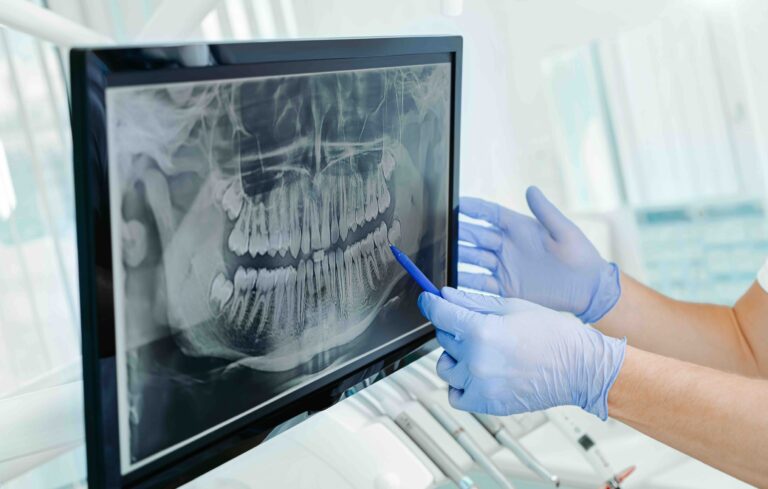
Dentists and hygienists usually begin with measurements around the teeth, checking pocket depths and looking for bleeding sites. Dental X-rays may be needed to see whether bone loss is present. If pockets are deep or tartar extends below the gumline, scaling and root planing may be recommended. This is a deeper cleaning designed to remove buildup and bacterial toxins from areas standard cleanings cannot fully address.
In some situations, localized antibiotics or antimicrobial rinses are added. If the disease is advanced, referral to a periodontist may be appropriate. A periodontist specializes in gum and supporting bone conditions and can offer surgical care when needed, including procedures to reduce deep pockets or graft areas of recession.
Treatment is not only about what happens in the chair. Long-term control depends heavily on home care and maintenance intervals. Some patients do well returning every three months for periodontal maintenance. Others can eventually stretch back to longer intervals once inflammation is stable. The right schedule depends on pocket depth, bleeding, medical history, smoking status, and how well plaque is controlled at home.
A few factors that raise the odds
Not everyone develops gum disease at the same rate. Two people can have similar brushing habits and very different outcomes. Biology matters, and so does the broader health picture.
Several factors consistently make gum disease more likely or more severe:
- Smoking or vaping nicotine, which reduces healing and can mask bleeding.
- Diabetes, especially when blood sugar is not well controlled.
- Dry mouth from medications or medical conditions.
- Family history of significant periodontal problems.
- Clenching, grinding, or bite imbalance that adds stress to already weakened support.
These factors do not guarantee severe disease, but they change the threshold at which I would recommend an earlier evaluation rather than a wait-and-see approach.
When to stop monitoring and book the appointment
People often want to know how long a symptom should last before it becomes worth professional attention. My rule of thumb is simple. If gum bleeding, swelling, tenderness, or bad breath persists for more than about two weeks despite consistent brushing and flossing, it is time to get it checked. If you notice pus, a loose tooth, or sudden spacing changes, do not wait that long.
Dentistry is full of conditions that are cheaper, simpler, and more comfortable to treat early. Gum disease is high on that list. A patient who comes in with mild bleeding and shallow pockets may need improved home care and a focused cleaning. A patient who waits until teeth are shifting may be looking at extensive periodontal therapy, possible extractions, and restorative work to replace lost support.
There is also the issue of predictability. Early treatment usually gives clinicians more room to preserve the natural teeth. Once bone loss becomes significant, the conversation changes from prevention to damage control.
Protecting your gums between visits
The daily basics still matter more than any specialty rinse or trending gadget. Thorough brushing twice a day, cleaning between the teeth once a day, and keeping recall appointments on schedule remain the core of gum health. Technique matters as much as frequency. A soft-bristled brush angled gently toward the gumline is far more effective than a hard scrub with a stiff brush.
For people with bridges, implants, orthodontic appliances, or tight contacts, interdental brushes, floss threaders, or water flossers can make home care more realistic. The best tool is often the one a patient will actually use well every day. Fancy products tend to underperform when they stay in the bathroom drawer.
Diet and tobacco use matter too. Frequent sugary snacks feed the same bacterial environment that irritates gums, and nicotine products consistently make gum disease harder to manage. If your gums have been treated and you continue smoking, healing is slower and recurrence is more likely. That is not a moral judgment, just a pattern seen repeatedly in clinical care.
The bigger picture behind small symptoms
What makes gum disease tricky is not that the signs are obscure. Most are fairly visible once you know what to look for. The problem is that they seem small at first. A little blood. A little puffiness. Breath that is a little off. A tiny gap where floss now catches. Each sign alone is easy to excuse.
Taken seriously, though, these early changes often give you a chance to act before the damage becomes harder to reverse. If several of the signs in this article sound familiar, it is worth asking for an evaluation specifically focused on your gums, not only a quick cleaning. That distinction matters. Gum Disease Treatment is most effective when it matches the true stage of the condition.
Your teeth can look fairly clean and still sit in inflamed, infected tissue. The goal is not just a brighter smile. It is a stable foundation that keeps your teeth comfortable, functional, and secure for years to come.
Dental Group Of Beverly Hills
Address: 8641 Wilshire Blvd #125, Beverly Hills, CA 90211
Phone number: +13109296335
FAQ About Gum Disease Treatment
How to improve gum health quickly?
To improve gum health quickly, eliminate plaque buildup by brushing for two full minutes twice a day at a 45-degree angle to the gumline. Floss daily to clean under the gumline, and rinse with an antimicrobial, alcohol-free mouthwash. For immediate relief of soreness, use a warm saltwater rinse.
What is the fastest way to cure gum disease?
To quickly cure early-stage gum disease (gingivitis), eliminate the plaque buildup causing the inflammation. Brush gently but thoroughly for two minutes twice daily, floss daily, and use an antibacterial mouthwash or a warm saltwater rinse. However, if tartar has hardened, professional treatment is necessary.
How do I treat my gum disease at home?
You can treat early gum disease at home by practicing strict daily oral hygiene, rinsing with salt water or antibacterial mouthwash, and quitting smoking. True gum disease (especially advanced forms like periodontitis) cannot be fully cured at home once tartar forms, and you must see a dentist for professional cleanings.